Winter in Fort Myers might not feel extreme, but cooler temps, damp mornings, and steady breezes leave their mark on our outdoor spaces. Over time, even light weather shifts can wear down screens that aren’t properly shielded. Many homeowners notice these issues more clearly in winter, especially when they start using their patios or lanais more often for morning coffee or evening air.
That’s when problems with older or exposed screens start to show. If screens aren’t stretched right or the frame isn’t holding tight, things like wind or moisture sneak in and cause damage. And when that happens, it’s not just about comfort, it can change how much repairs affect screened enclosure cost. Let’s take a closer look at why this happens so fast and what signs to catch before things get worse.
How Florida Winters Stress Outdoor Screens
We deal with daily weather shifts that bounce between warm sunshine and chilly morning air. Most people feel that change during their walk outside to grab the paper or when they slide open a lanai door early in the day. Screens feel it too, often more than we realize.
• That back-and-forth with warm and cool air causes the screen material to loosen, especially along the edges. The tension just doesn’t hold up the same way.
• When moisture shows up in the morning, it can sneak into small areas around the frame. If seals or trim aren’t holding firm anymore, water might sit there longer than it should.
• Even light winds in winter carry enough movement to catch edges and corners of weak screens, pulling threads or bending frame lines just a little more each time.
These changes might not break a screen right away, but after a few weeks, they start showing up in ways that can’t be ignored.
What Unprotected Screens Struggle With Most
Screens out in the open take the brunt of winter conditions. That includes more than just breezes or moisture. They’re also more likely to face sun glare, dust, and wear from small critters that wander through overnight.
• Without a cover or top enclosure, it’s easier for the screen to bend or stretch when pressure hits it, from fingers, falling branches, or strong gusts.
• Even in mid-January, Florida sun can do plenty of long-term damage. Without protection, screen material fades faster or starts to dry out and crack at the edges.
• When gaps start forming, small animals or debris blow inside. That turns into cleanup jobs and more screen damage over time from clawing, chewing, or scratching.
We’ve seen this happen often around carports in Port Charlotte, where shade cover isn’t always built in. A few early signs in winter can snowball into bigger problems by springtime.
Common Wear Signs to Catch Early

Some issues show up before the whole screen panel fails. You can spot warning signs with a quick walkaround in the cooler morning light.
• Look for flapping corners or loose edges that twitch in the breeze. These often turn into tears or bigger holes if left alone.
• Cracks or soft spots near connection points are easy to miss. Listen for clicks or tapping when wind moves across your lanai or patio, that might mean something isn’t sitting flush anymore.
• In lanai enclosures in Englewood, we often find that bottom tracks slide out of alignment during colder months. That can lead to sealing failures that let in damp air or dirt easily.
Addressing small wear patches now helps extend the life of the screen and stops damage from spreading across the rest of the panel.
Precision Aluminum & Remodeling builds screen enclosures with durable materials made to handle the mix of humidity, sun, and wind that Florida brings all year. Our process includes careful attention to details that keep frames and screens tight, especially in exposed areas.
How Winter Damage Affects Screened Enclosure Cost
Letting screen damage go unchecked this time of year often makes problems more expensive later. Small patches or tiny repairs are manageable early on, but warped frames or wide tears usually mean full replacements. That affects the screened enclosure cost more than most people expect.
• A small hole caused by a loose corner left through winter might call for a new panel by spring. It’s a big jump from what would’ve been a small fix.
• Nearby areas start wearing faster when one spot gives out. Corners feel air flow increases, bugs find easier ways in, and tension shifts across the screen.
• Even acrylic windows in North Fort Myers can start showing problems near old screens if those enclosures move. Pressure from shifting or sagging corners may send stress into nearby seals or siding.
Catch these things early and the screen holds longer, without bigger projects sneaking up when the warm months return.
Why Some Areas Wear Out Faster Than Others
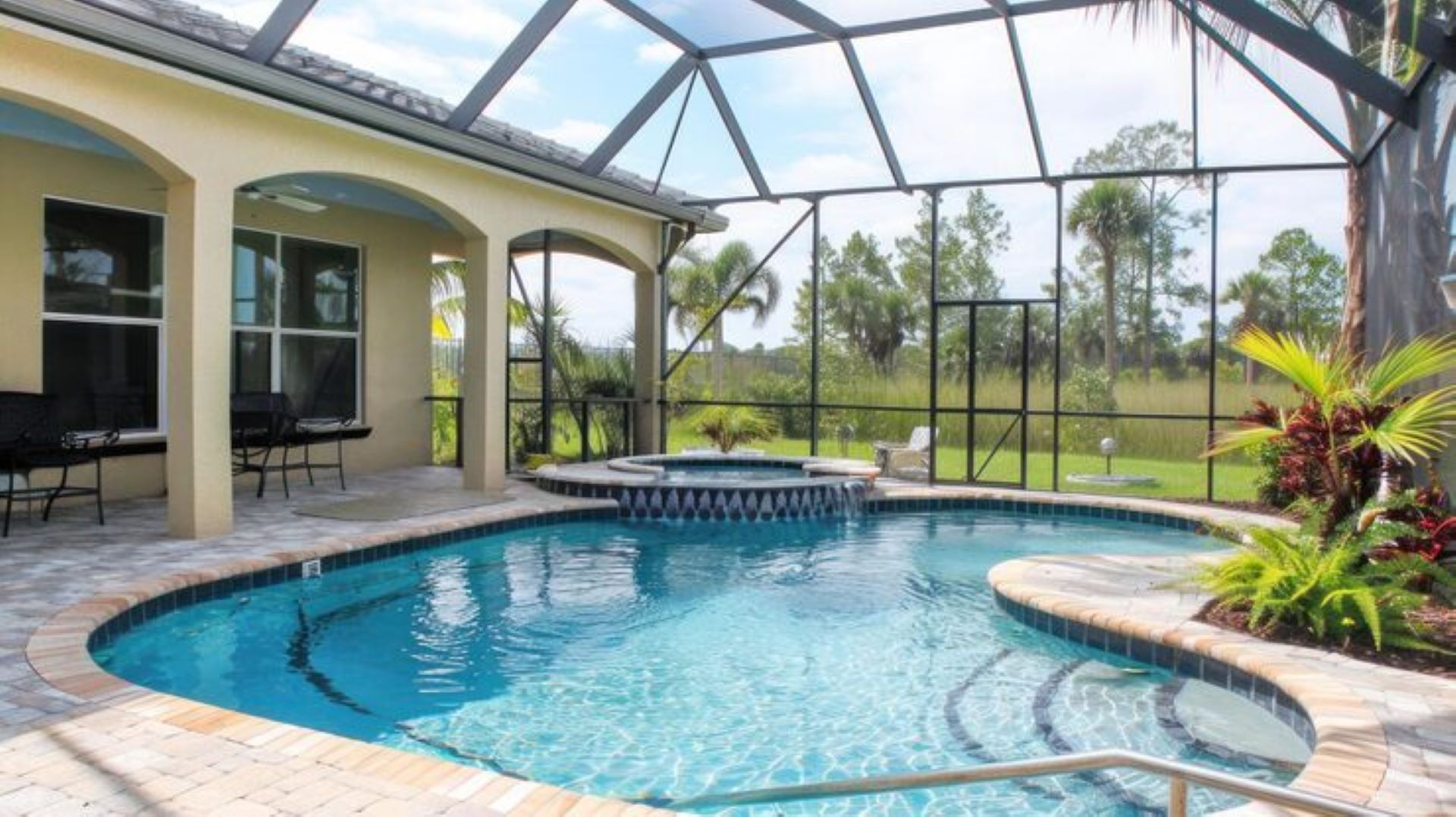
Not every spot around the house is affected the same way. Homes closer to open land or water in Fort Myers usually see more wind or wet weather on one side than the other.
• Windblown areas see screens wear down much faster, especially corners without wide frame support or shade cover.
• Older build-outs that haven’t been checked in a while may not show damage until cooler weather makes it worse. That’s when things shrink, pull, or start to sag under stress.
• Screen enclosures in Fort Myers most often show wear on sides facing north or west. That’s where cooler air and setting sun work against the tension at the same time.
Knowing which walls or areas are more exposed helps narrow down where to check first before damage spreads.
Guard Your Views Before Spring Hits
Even though Florida winters don’t bring snow or frost, they still leave tracks, especially on screen materials. No screen system stays perfect forever, but the stretch between January and March is when small screen problems tend to grow.
A quick look for edge gaps, soft spots, or faded sections can make all the difference. From sliding tracks in Punta Gorda lanai enclosures to faded panels in screen enclosures around Englewood, we’ve seen how much a little winter wear can impact how space feels and works.
Taking a few minutes to spot changes now can help keep the space welcoming and clean when you start using it more again in spring.
Seeing signs of wear or sagging on your screens after a few chilly mornings can signal deeper issues with your lanai or patio. Weather changes might impact your enclosure more than you realize, so staying ahead of repairs now can help you enjoy your Punta Gorda home without unexpected headaches later. To better understand how maintenance impacts your overall screened enclosure cost, our team at Precision Aluminum & Remodeling is here to guide you through all your options. Reach out today and let’s protect your outdoor space for the seasons ahead.
Frequently Asked Questions
How much does a screen enclosure cost in Fort Myers?
A screen enclosure in Fort Myers typically costs between $5,000 and $25,000, depending on size, screen type, and roof style (flat vs. gable). Custom features like pet-resistant screen or motorized doors add to the cost.
What type of screen mesh is best for Fort Myers?
For Fort Myers, 18×14 mesh is standard for insect protection, while 20×20 mesh offers better visibility. Pet-resistant screen is recommended for homes with dogs. Super screen or Phifer UltraVue provide the best balance of visibility and durability in Florida’s climate.
Can a screen enclosure withstand hurricane winds?
Modern screen enclosure installations in Fort Myers are built to Florida Building Code standards, which require specific wind-load ratings. While screens may tear in direct hurricane-force winds, the aluminum frame structure is engineered to withstand storms when properly installed.
How often should I rescreen my screen enclosure?
In Fort Myers, most screen enclosure screens last 7 to 10 years before needing replacement, depending on sun exposure and storm frequency. Regular inspections after hurricane season help catch small tears before they become expensive repairs.
Helpful Resources
Try our free lanai enclosure cost calculator for an instant ballpark estimate.
Estimate Your Project Cost →