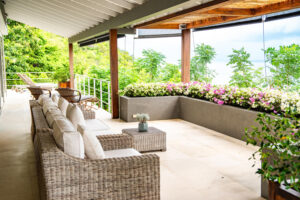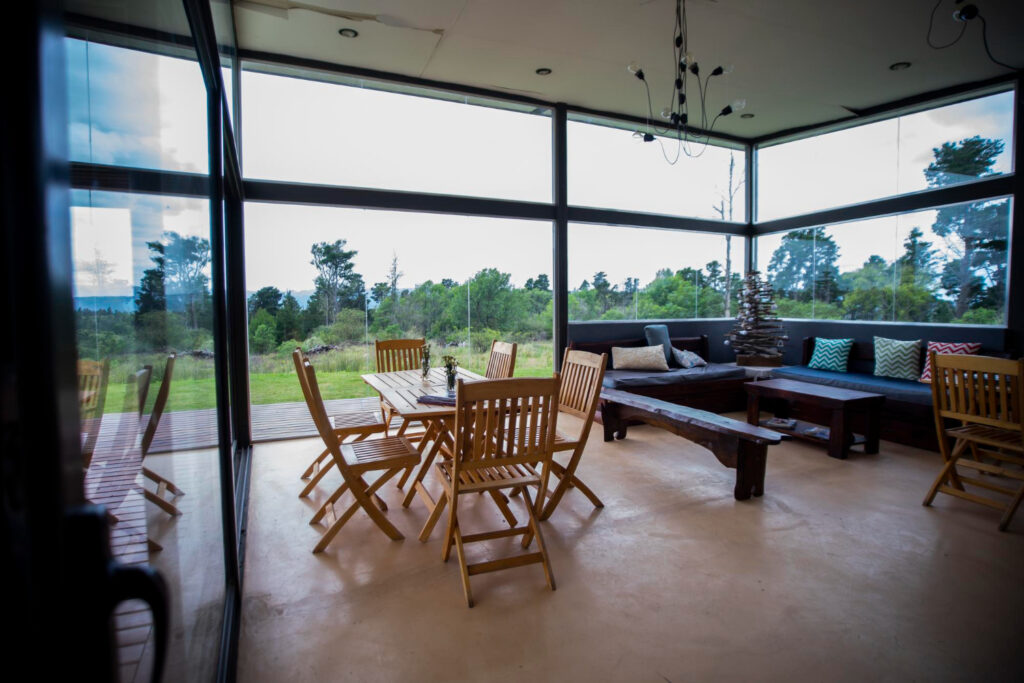
Acrylic windows can brighten up any patio space. They let the sunshine in, keep strong breezes out, and make outdoor rooms feel like part of your home. But if you live in North Fort Myers and notice your acrylic windows starting to look cloudy, you’re not imagining things. The cooler months often bring extra moisture to the air, and that can leave marks on panels that once looked perfectly clear.
Even if you’ve seen cloudy spots show up on lanai windows in Cape Coral, it doesn’t mean something is wrong. Usually, it’s just the result of weather, air exposure, or aging parts. Knowing what’s behind the haze can help you keep your windows bright and clear longer.
Salt in the Air and What It Does
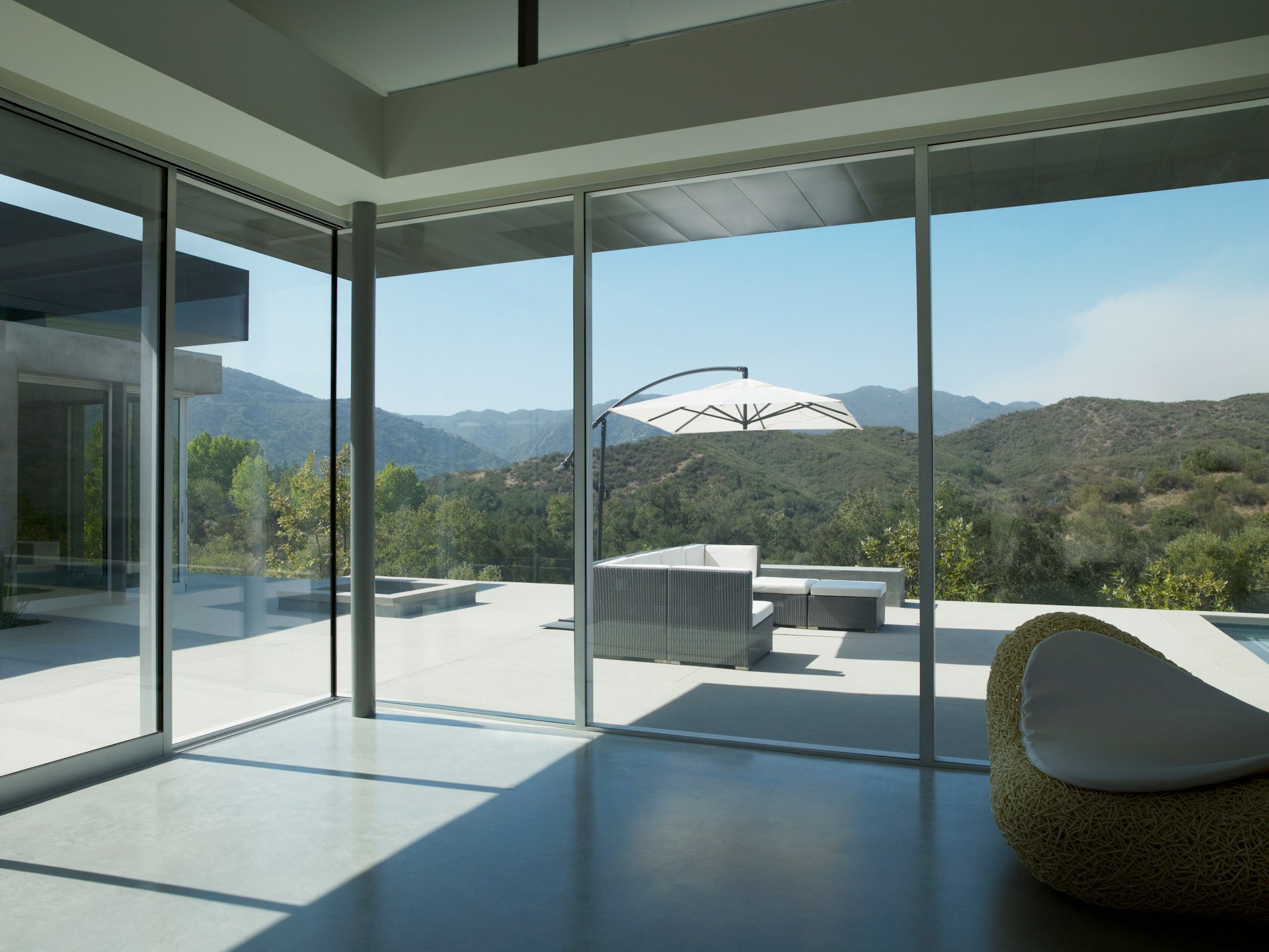
Living near the coast means there’s always a little salt in the air. Even if you aren’t right by the beach, breezes still carry that salty mist miles inland. And it doesn’t take much to start leaving behind a light film on smooth surfaces.
• Salt can stick to acrylic panels, especially if they aren’t cleaned off often.
• Sunlight can bake the salt onto those panels, leaving behind white streaks or hazy spots.
• With lanai enclosures in Fort Myers, it’s common to see this during late winter when winds feel cooler, and the air holds that sticky mix of salt and dampness.
Regular care and attention to buildup can go a long way. When that salt clings to your windows, it changes how light passes through, leading to the cloudy look people often worry about.
When Moisture Slips In
One of the more common reasons acrylic windows cloud up is trapped moisture. Sometimes, it’s hardly noticeable. At first, it might look like a spot that just needs cleaning, but if the cloudiness sticks around, trapped water near the edges is often the cause.
• Window seals wear down over time, especially with daily temperature swings.
• Rain and dew can sneak into tiny gaps where panels connect, creating foggy edges.
• This is something seen often with lanai windows in Cape Coral that haven’t had regular checks or small fixes.
Humidity also plays a role. After several seasons, that moisture doesn’t always dry out the way it used to, and over time, it stays put, hiding inside where a cloth can’t reach.
How Screens and Covers Work Together

Surrounding structures make a real difference in how exposed acrylic panels are to the elements. Screen enclosures in Punta Gorda do more than keep bugs out. They help create a buffer between the window and the outside world.
• Good mesh blocks some rain and wind, stopping direct contact with window panels.
• Some screens filter sunlight, reducing the heat that causes panels to warp or fog.
• Less exposure to changing conditions keeps views clearer for longer.
When your window is often exposed to wet weather or winds, cloudiness might show up faster. Better shielding slows down these changes a lot.
Precision Aluminum & Remodeling installs custom acrylic windows and screen enclosures to limit salt, wind, and moisture buildup, keeping patios brighter each season.
More Than Just Parking: Covered Protection
Carports can do much more than protect vehicles. In Port Charlotte, many homeowners use these coverings to bridge space between the main house and outdoor areas like porches or patios. That little bit of shielding means fewer drips, leaves, and puddles ending up near your windows.
• Covered pathways help maintain steadier temperatures around acrylic panels.
• Reducing constant cycles of wet and dry helps windows last longer with fewer problems.
• A covered buffer keeps acrylic windows away from outdoor fluctuations that trigger cloudiness.
If you use a carport in part to protect the patio, watching how water moves across that zone can be helpful.
Time Takes a Toll on Even Strong Panels
Even if panels are kept clean and dry most of the time, age becomes a factor. Acrylic doesn’t last forever in outdoor spaces, and cleaning them too aggressively can speed up the wear.
• Using rough cloths or scraping at dirt can add fine scratches to the surface.
• After years of striking sunlight, rain, and breezy weather, the clear layers wear down.
• Lanai enclosures in Englewood with older acrylic windows need gentle handling to keep looking bright.
Gentle routines, like soft cloths and mild rinses, make a big difference. But after a few years, if panels look foggy or streaky, sometimes the age simply shows.
When Sun Hits One Spot All the Time
Acrylic windows sitting in the same sunny spot day after day wear differently than those in shade. How the sunlight and heat strike them can shape their clarity over time.
• In North Fort Myers, panels may fade or digest subtle warping with direct heat.
• Cloudiness might appear and disappear with temperature changes during the day.
• Long-term exposure to bright sunlight adds up without shading or protective awnings.
It’s not just about how hot it gets. The sun leads to drying, tightening, and shifting that snuffs out their original clear finish.
Helping Fresh Air Flow Smoothly
Letting air move around windows helps with temperature control and keeps moisture from sitting on the surface all day. In Fort Myers, screen enclosures that promote airflow are important for acrylic window clarity.
• Well-placed vents keep heat from getting trapped on patios.
• Trapped air leads to lingering moisture and possible haze.
• Mesh that allows breezes gives windows a chance to clear themselves naturally.
If you notice windows that stay foggy for hours, airflow may be lacking. Adjusting vents or rearranging screens can make a difference.
Little Details That Make Big Differences
Small layout details play a real role in keeping windows bright. Design decisions control how water and wind reach a window, or how air flows around it.
• Open corners on carports in Cape Coral limit air and water from collecting at the window.
• Sloped walkways help water move away from acrylic panel bases.
• Even partial shade goes a long way in preventing excessive sun and heat.
These adjustments often use the features your home already has, improving window life without major effort.
When Older Panels Just Need a Change
After years go by, replacement is the best option for some windows. Some panels just won’t clear up, no matter the effort. That’s when surface damage has likely gone too far.
• In Punta Gorda, panels facing years of salt, sun, and rain show permanent haze.
• Worn edges, scratches, or fading signal it may be time for new panels.
• Newer acrylic materials are usually made to resist clouding and damage better than before.
Switching out even a single bad panel can give your patio a fresh, clean look right away.
Clear Looks Start with Good Care
How you treat your acrylic windows makes all the difference. It doesn’t take expensive cleaning supplies or a strict schedule, just smart, gentle care.
• Soft cloths and gentle water keep surfaces smoother and clearer.
• Checking seals often means catching leaks early, before they spread moisture inside.
• Windows checked on occasion keep their shine far longer.
In Port Charlotte, these habits help acrylic windows stay clear through all seasons. Consistent routines keep them in good shape with very little extra work.
Bright Days, Clear Windows
Acrylic windows bring in natural light and comfort, but cloudy spots can take away from the view. Around North Fort Myers, a mix of sun, salt, aging, and moisture are usually to blame for gradual fogginess.
Watching for salt or water build-up, keeping airflow in mind, and staying on top of small fixes keeps windows in top shape. As dry season arrives, doing a quick check ensures acrylic panels remain bright and easy to enjoy.
When your windows won’t clear up or spaces seem dim despite cleaning, it can mean your acrylic needs attention, especially in busy patio areas. We help Florida homeowners enjoy clear, bright living spaces by bringing clarity back to lanai windows in Cape Coral. Reach out to Precision Aluminum & Remodeling today and see how clear windows can make all the difference to your outdoor living space.
Frequently Asked Questions
How long do acrylic windows last?
Acrylic windows installed in Fort Myers typically last 15 to 25 years with proper care. Regular cleaning with non-abrasive products and occasional seal inspection helps maintain clarity and weatherproofing over time.
Do I need a permit to replace windows in Fort Myers?
Window replacement in Fort Myers generally requires a permit if you’re changing the size, type, or structural opening. Direct replacements (same size, same opening) may be exempt, but check with your local building department to be sure.
Are impact windows worth it in Fort Myers?
Impact windows in Fort Myers provide hurricane protection, noise reduction, UV filtering, and potential insurance discounts. Most Fort Myers homeowners recoup 70% to 80% of the cost at resale, making them a strong investment for Florida properties.
How much do new windows cost in Fort Myers?
New windows in Fort Myers typically cost $300 to $1,500 per window installed, depending on the type (acrylic, impact-rated, or standard), size, and frame material. Whole-home window replacement projects usually range from $8,000 to $30,000.
Helpful Resources