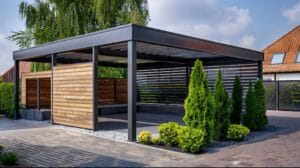
Types of Screen Enclosures and Their Costs (2026 Guide)
Screen enclosures are one of the most popular home improvements in Southwest Florida, adding comfortable outdoor living space while protecting from insects, debris, and harsh sun. Whether you’re building a new pool cage, enclosing a lanai, or rescreening an existing structure, costs have evolved significantly—and so have the materials available.
This updated 2026 guide covers every type of screen enclosure, current pricing for the Fort Myers and Cape Coral area, screen material options, and what you need to know about Florida building codes and permits.
Types of Screen Enclosures
1. Pool Screen Enclosures (Pool Cages)
Pool cages are the most common screen enclosure in Southwest Florida. They protect your pool from debris, leaves, and insects while reducing UV exposure and pool maintenance costs.
- New construction cost: $6,000-$14,000 depending on pool and deck size
- Cost per square foot: $6-$12 for a standard aluminum frame with fiberglass screen
- Rescreening cost: $1,200-$3,500 (or $0.75-$1.50 per sq ft of screen area)
Pool screen enclosures extend the lifespan of your pool equipment by preventing exposure to harsh outdoor elements and can reduce pool chemical usage by up to 50%.
For Florida homeowners wanting more protection from rain and wind, consider lanai screen enclosures or acrylic window panels that combine screening with weather protection.
2. Patio Screen Enclosures
Patio screen enclosures create a bug-free outdoor entertainment area. They come in various styles and can be customized to match any home’s architecture.
- New construction cost: $4,000-$12,000 depending on size and complexity
- Cost per square foot: $6-$15 installed
- Popular upgrades: Ceiling fans, outdoor lighting, electrical outlets
Adding outdoor lighting and fans to your patio screen enclosure creates a versatile living area for dining, relaxing, or entertaining year-round.
3. Porch Screen Enclosures
Porch enclosures are typically smaller and more affordable, converting an existing covered porch into a screened-in living space.
- Cost: $2,500-$8,000 depending on porch size
- Cost per square foot: $5-$12 installed
- Best for: Front porches, covered entryways, smaller spaces
Porch enclosures can be a great first step toward a full lanai conversion—affordable, practical, and beautiful.
4. Lanai Screen Enclosures
Lanai enclosures are the quintessential Florida outdoor room. They provide year-round protection while maintaining an open, airy feel.
- New construction cost: $5,000-$15,000 depending on size and options
- Cost per square foot: $8-$18 installed (higher for custom designs)
- Popular options: Screened-only, acrylic window panels, glass enclosures, or combination
Want to enclose your lanai with more than just screen? Discover acrylic window panels or explore our sunroom options for full climate control.
5. Rescreening Existing Enclosures
Florida’s sun, rain, and hurricanes take a toll on screen mesh. Most enclosures need rescreening every 7-15 years depending on the material used.
- Minor repairs (patches, single panels): $50-$150
- Partial rescreening (multiple panels): $200-$400
- Full pool cage rescreening: $1,200-$3,500+
- Cost per square foot: $0.75-$1.50 (standard fiberglass)
Screen Material Options and Costs
The screen material you choose significantly impacts durability, visibility, and cost. Here are the most popular options for Southwest Florida:
Standard Fiberglass Screen
- Cost: $0.15-$0.30 per square foot (material only)
- Lifespan: 5-10 years in Florida sun
- Pros: Most affordable, good visibility, easy to install
- Cons: Becomes brittle and tears after UV exposure; shortest lifespan
Super Screen (Polyester)
- Cost: Premium over fiberglass (varies by installer)
- Lifespan: 10-15+ years; comes with a 10-year manufacturer warranty
- Pros: 300% stronger than fiberglass, retains flexibility year after year, resists UV degradation
- Cons: Higher upfront cost; can save $5,000+ over time by avoiding repeated rescreening
- Best for: Pool cages and large enclosures where longevity matters most
Phifer PetScreen
- Cost: $0.50-$1.00 per square foot (material only)
- Lifespan: 10-15 years
- Pros: 7x stronger than standard fiberglass, resists tears and punctures from dogs and cats
- Cons: Slightly reduced visibility due to heavier mesh
- Best for: Homes with dogs, cats, or active children
Aluminum Screen
- Cost: $0.25-$0.50 per square foot (material only)
- Lifespan: 15-20 years
- Pros: Best weather resistance, doesn’t stretch or sag, more durable than fiberglass
- Cons: Can dent, slightly more expensive
Solar Screen / Shade Screen
- Cost: $0.80-$1.20 per square foot (material only)
- Pros: Blocks 65-90% of UV rays and heat, reduces glare, lowers cooling costs
- Cons: Reduced visibility, darker appearance
- Best for: West-facing enclosures, pool cages with direct afternoon sun exposure
Cost Factors That Affect Your Project
The final cost of a screen enclosure depends on several factors:
- Size: Larger enclosures require more materials, more aluminum framing, and more labor
- Height: Two-story or extra-tall enclosures cost 30-50% more due to engineering requirements and scaffolding
- Screen material: Upgrading from standard fiberglass to Super Screen or PetScreen adds 20-40% to the screen cost
- Roof style: Gable, hip, and dome roofs cost more than flat or shed-style roofs
- Permits: Lee County requires a building permit ($175+ in fees), engineer-sealed drawings, and inspections
- Existing structure: Rescreening an existing frame is 50-70% less than building new
- Location: Coastal properties may require higher wind-load ratings per Florida Building Code
Florida Building Code Requirements
Screen enclosures in Lee County, Collier County, and Charlotte County must meet the 8th Edition (2023) Florida Building Code, which includes requirements updated after Hurricane Ian:
- Wind load design: Enclosures must be engineered per FBC Section 2002.4 with wind pressures based on your location’s design wind speed
- Aluminum specifications: Extruded aluminum members must have a minimum wall thickness of 0.040 inches (1mm)
- Screen mesh standards: Standard design pressures are based on 20×20×0.013″ mesh; using denser mesh requires engineering for enclosed building wind loads
- Removable panels: Acrylic, vinyl, and glass panels must be labeled: “Removable panel SHALL be removed when wind speeds exceed 75 mph”
- Permits required: Lee County charges approximately $175 in total permit fees (plan review + zoning + enclosure permit), and requires engineer-sealed aluminum drawings
Property Value Impact
In Southwest Florida, screen enclosures are one of the highest-ROI home improvements:
- Pool cages typically return 70-80% of their cost at resale
- Homes with screened pools sell faster than those without in the Fort Myers/Cape Coral market
- Enclosed lanais add usable square footage that appraisers factor into home value
- After Hurricane Ian, buyers prioritize well-maintained enclosures as a sign of overall home care
Get Your Free Estimate
Looking for quality screen enclosures in Fort Myers, Cape Coral, or Southwest Florida? At Precision Aluminum & Remodeling, we build custom screen enclosures with premium aluminum framing and your choice of screen material. With over 60 years of experience and CBC License #1262890, we handle everything from design to permitting to installation.
Contact us today for a free estimate, or call 239-673-8357.
FAQ
How much does a pool screen enclosure cost in Florida?
A new pool screen enclosure in Southwest Florida costs $6,000-$14,000 depending on pool and deck size. Rescreening an existing pool cage costs $1,200-$3,500. Costs vary based on size, height, screen material, and roof style.
What is the best screen material for a Florida pool cage?
Super Screen (polyester) is the best long-term value—it’s 300% stronger than fiberglass, comes with a 10-year warranty, and saves thousands in rescreening costs over its lifespan. Standard fiberglass is cheapest upfront but needs replacement every 5-10 years in Florida sun.
How often do screen enclosures need to be rescreened?
Standard fiberglass screen lasts 5-10 years in Florida before becoming brittle. Super Screen and aluminum screen can last 10-20 years. After a hurricane, inspect for tears and frame damage—even small holes allow insects and debris inside.
Do screen enclosures require a permit in Lee County?
Yes. Lee County requires a building permit (approximately $175 in fees), engineer-sealed aluminum drawings, site plans showing setbacks, and a Notice of Commencement for projects over $2,500. Precision Aluminum handles all permitting for our customers.
Are acrylic windows a good option for lanai enclosures?
Acrylic windows are affordable and provide weather protection, but they’re not UV-proof and can bow in Florida heat. For year-round climate control, glass enclosures are recommended. Learn more: Acrylic Windows for Lanai Enclosures
Do screen enclosures increase home value in Florida?
Yes—pool cages typically return 70-80% of their cost at resale in the Fort Myers/Cape Coral market. Homes with screened pools sell faster, and enclosed lanais add usable square footage to your home’s appraisal.
Try our free lanai enclosure cost calculator for an instant ballpark estimate.
Estimate Your Project Cost →