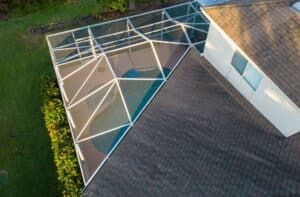
Screen enclosures are becoming increasingly popular among homeowners who want to enjoy the outdoors without being bothered by bugs and other pests. While you can buy pre-made screen enclosures, many homeowners prefer to design and build their own. This allows them to customize the enclosure to their specific needs and preferences, and it can also save them money. If you’re considering designing your own screen enclosure, here’s what you need to know.
Choosing the Right Materials
The first step in designing a screen enclosure is choosing the right materials. Some of the most popular materials include aluminum, vinyl, and wood. Aluminum screen enclosures are a popular choice because they are lightweight, durable, and rust-resistant. Vinyl is also a good choice because it is low-maintenance and affordable. Wood is a classic choice that can add a touch of warmth and natural beauty to your enclosure.
In addition to the frame material, you’ll also need to choose the right screen material. Most screen enclosures use fiberglass screens because they are durable, easy to clean and allow air to circulate. However, you can also choose from other materials like aluminum, copper, and stainless steel.
Designing the Enclosure
Once you’ve chosen your materials, it’s time to start designing your enclosure. The first step is to determine the size and shape of your enclosure. Consider factors like the size of your yard, the location of your home, and the amount of space you need. You may also want to consider adding features like a roof, a door, or windows.
Next, you’ll need to determine the placement of your enclosure. Consider factors like the amount of sunlight, wind, and rain in the area. You’ll also want to make sure that your enclosure is situated in a spot that is convenient and easy to access.
Building the Enclosure
After you’ve designed your enclosure, it’s time to start building it. If you’re not experienced with construction, you may want to consider hiring a professional. Otherwise, you’ll need to gather your materials and start building.
Start by constructing the frame of your enclosure. Make sure that your measurements are accurate and that your frame is level. Next, install the screen material, making sure that it is tight and secure. Finally, add any features like a roof, door, or windows.
Maintaining Your Enclosure
Once your enclosure is built, it’s important to maintain it properly. Regular cleaning and maintenance will help to ensure that your enclosure lasts for years to come.
Start by cleaning your enclosure regularly. Use a soft brush and mild soap to clean the screen material, and rinse it off with a hose. You should also inspect the frame and screen material regularly for signs of wear and tear. If you notice any damage, make repairs immediately to prevent further damage.
Conclusion

Designing and building your own screen enclosure can be a rewarding experience. By choosing the right materials, designing the enclosure properly, and maintaining it regularly, you can create a space that you’ll enjoy for years to come. However, even with the obvious advantages of DIY screen enclosures, nothing beats the work of a professional.
When it comes to screen enclosures and other home improvements, it pays to work with a trustworthy and experienced company like Precision Aluminum and Remodeling, Inc. We specialize in custom-built storm shutters, impact windows, carports, and aluminum screen enclosures. We take pride in our work and ensure our customers are satisfied with the results. Contact us today to learn how we can help you make your home improvement dreams a reality.
Frequently Asked Questions
Does this improvement increase home value in Southwest Florida?
Quality home improvements in Southwest Florida typically return 50% to 80% of the investment at resale. Southwest Florida buyers value upgrades that provide storm protection, energy efficiency, and extended outdoor living space.
How do I choose a contractor in Southwest Florida?
Look for a licensed, insured contractor with strong reviews and local experience in Southwest Florida. Verify their license through the Florida DBPR website and ask for references from recent projects similar to yours.
Do I need a permit for home improvements in Southwest Florida?
Most structural home improvements in Southwest Florida require building permits. A licensed contractor handles the permitting process, ensuring your project meets current Florida Building Code requirements and passes all inspections.
How much does this project cost in Southwest Florida?
Project costs in Southwest Florida vary based on scope, materials, and complexity. Getting a detailed quote from a licensed Florida contractor ensures accurate pricing. Precision Aluminum offers free estimates for all projects in the Southwest Florida area.
Helpful Resources