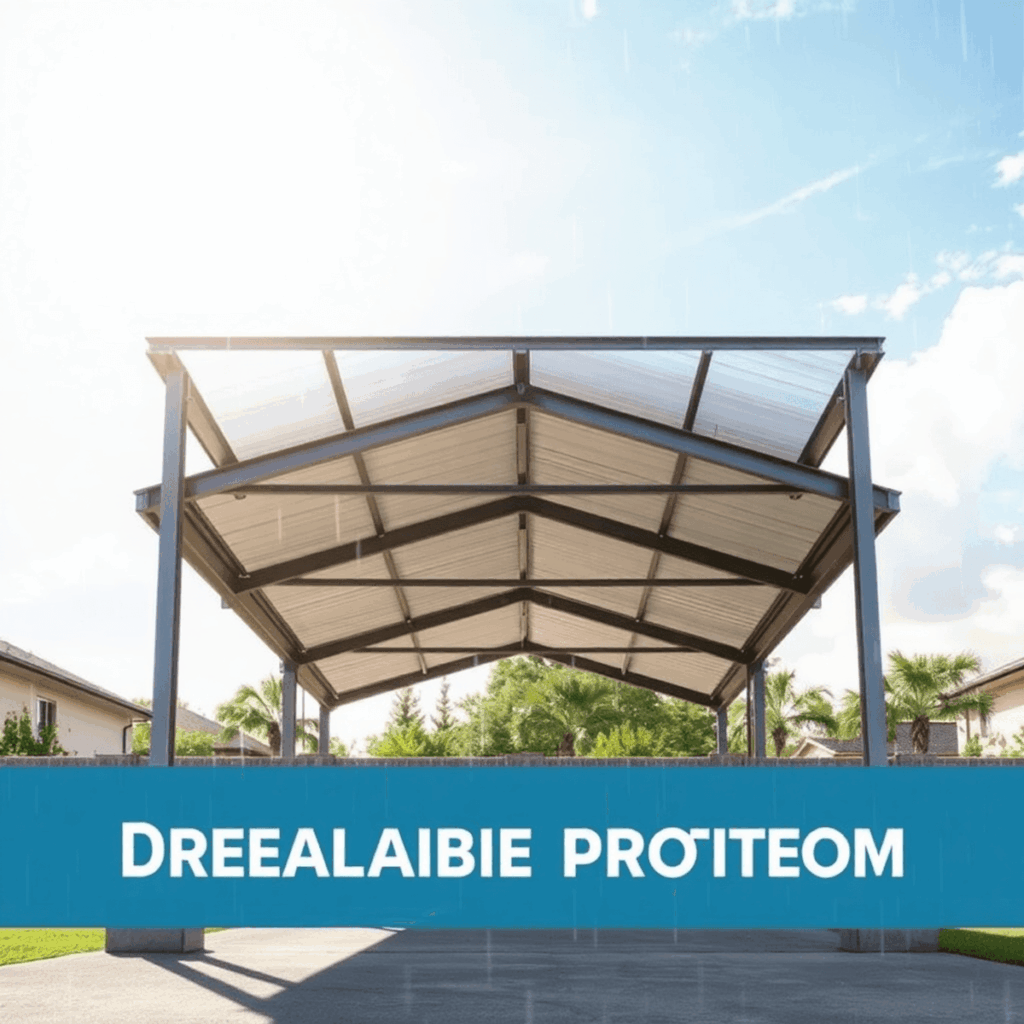
Port Charlotte homeowners increasingly recognize carports as a smart, affordable alternative to enclosed garages—providing effective vehicle protection at a fraction of the cost.
Carport Benefits for Port Charlotte Properties

A quality carport protects your vehicles from Port Charlotte’s intense sun, frequent rain, and the occasional hailstorm. UV exposure is the primary threat to vehicle finishes in Southwest Florida—a carport can significantly extend the life of your car’s paint and interior.
Beyond vehicle protection, Port Charlotte homeowners use carports as covered outdoor work areas, additional entertaining space, and sheltered storage for boats, RVs, and recreational equipment. The versatility of a well-designed carport makes it one of the most practical additions to a Florida home.
Design and Material Options
Modern carports in Port Charlotte use aluminum or steel framing with various roofing options. Aluminum frames resist corrosion from humid, salty air—a critical consideration in Southwest Florida. Steel frames offer maximum strength for larger spans but require protective coating to prevent rust.
Roofing choices include corrugated aluminum panels (lightweight and durable), polycarbonate panels (translucent for natural light), and insulated roof panels (for cooler coverage). Your choice depends on the carport’s primary use and your aesthetic preferences.
Permits and Regulations in Port Charlotte

Carport construction in Port Charlotte requires a building permit and must comply with local zoning setback requirements. Height restrictions, lot coverage limits, and HOA guidelines all factor into the design. Your contractor should handle the permitting process and ensure compliance with all applicable regulations.
In Port Charlotte, carports must be engineered to meet Florida Building Code wind load requirements. This engineering ensures your carport can withstand the high winds common during hurricane season without becoming a hazard to your property or neighbors.
Adding Value to Your Home
A professionally built carport adds functional value to your Port Charlotte property. While carports typically don’t return as high a percentage at resale as enclosed living spaces, they’re one of the most cost-effective ways to protect vehicles and add covered outdoor space.
For Port Charlotte homeowners with boats, RVs, or multiple vehicles, a carport can eliminate expensive off-site storage fees. The monthly savings alone often justify the installation cost within a few years, making a carport both a practical and financial smart addition.
Get Started With Your Port Charlotte Project
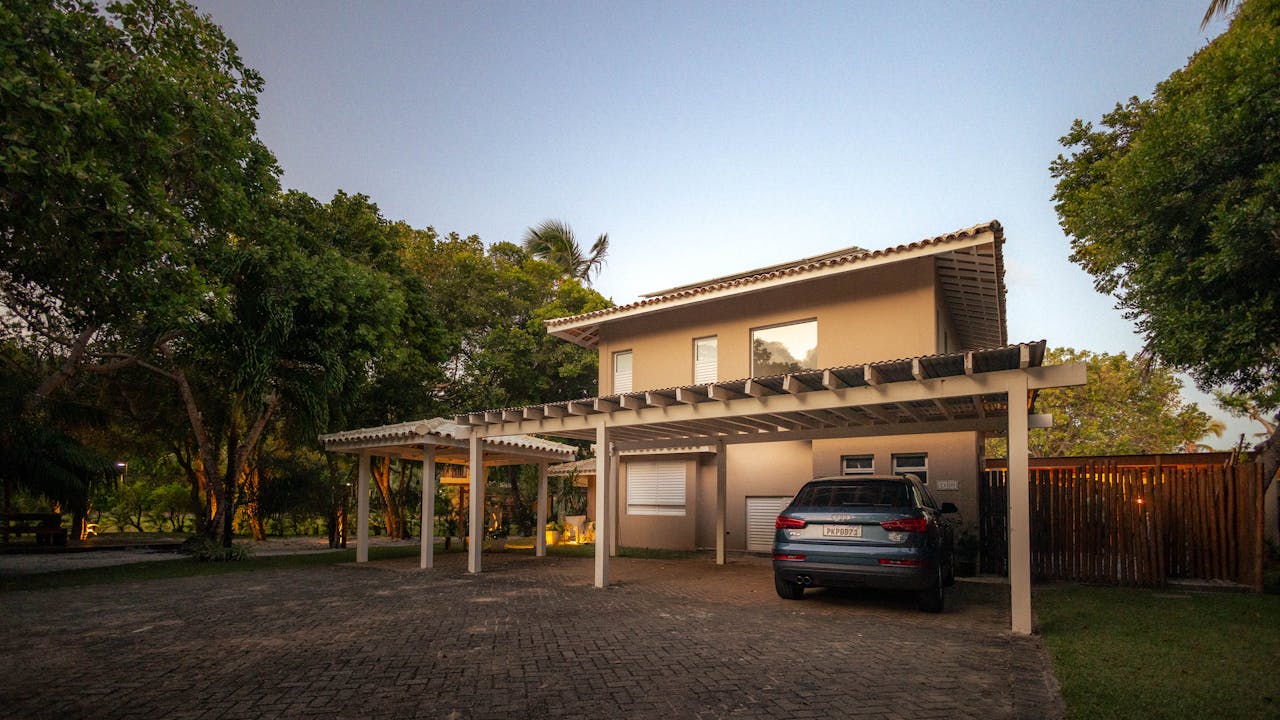
At Precision Aluminum & Remodeling, we’ve been helping Port Charlotte homeowners improve their outdoor living spaces for years. Our experienced team handles every aspect of your project—from design and permitting to installation and final inspection.
Ready to discuss your project? Call us at (239) 258-4759 or request a free estimate online. We serve Port Charlotte and all of Southwest Florida.
Frequently Asked Questions
Do I need a permit for a carport in Port Charlotte?
Yes, carport construction in Port Charlotte requires a building permit. Your contractor submits plans showing compliance with local setback requirements, wind-load ratings, and Florida Building Code standards before construction begins.
Can a carport withstand Florida hurricanes?
Properly engineered carports in Port Charlotte are designed to meet Florida Building Code wind-load requirements. Aluminum frames with concrete footings and hurricane-rated connections provide the best storm resistance.
Does a carport increase home value?
A well-built carport in Port Charlotte can add $5,000 to $15,000 to your home’s value while protecting vehicles from Florida sun, rain, and storms. It also provides versatile covered outdoor space for multiple uses.
What is the best material for a carport in Port Charlotte?
Aluminum is the best carport material for Port Charlotte because it resists rust and corrosion in Florida’s humid, salt-air environment. It’s also lightweight, strong, and requires minimal maintenance compared to steel or wood alternatives.
Helpful Resources